
From Incivility to High Conflict: Building a More Prepared Workplace
By Megan Hunter, CEO, High Conflict Institute
As Bill Eddy's article on incivility explains, rude, aggressive, and disruptive behavior is becoming more common in workplaces and professional settings. Many leaders are feeling the effects already: more tension on teams, more time spent managing complaints, and more stress for managers and HR.
Research shows just how costly this can become. U.S. businesses lose up to $359 billion each year to workplace conflict. Employees spend an average of 2.8 hours each week dealing with disputes, and 23% leave jobs because of unresolved conflict. These are not small problems, and they are not being solved by traditional reactive approaches.
High-conflict behavior can affect an organization across a wide spectrum. At one end, it may show up as ongoing negativity, blaming, gossip, resistance, and frequent complaining that slowly wears down morale and team trust. At the other end, it can escalate into hostile email exchanges, repeated grievances, bullying allegations, policy violations, and other serious incidents that consume leadership time and expose the organization to legal, operational, and reputational risk. What makes this especially challenging is that these patterns are often draining long before they become formally reportable.
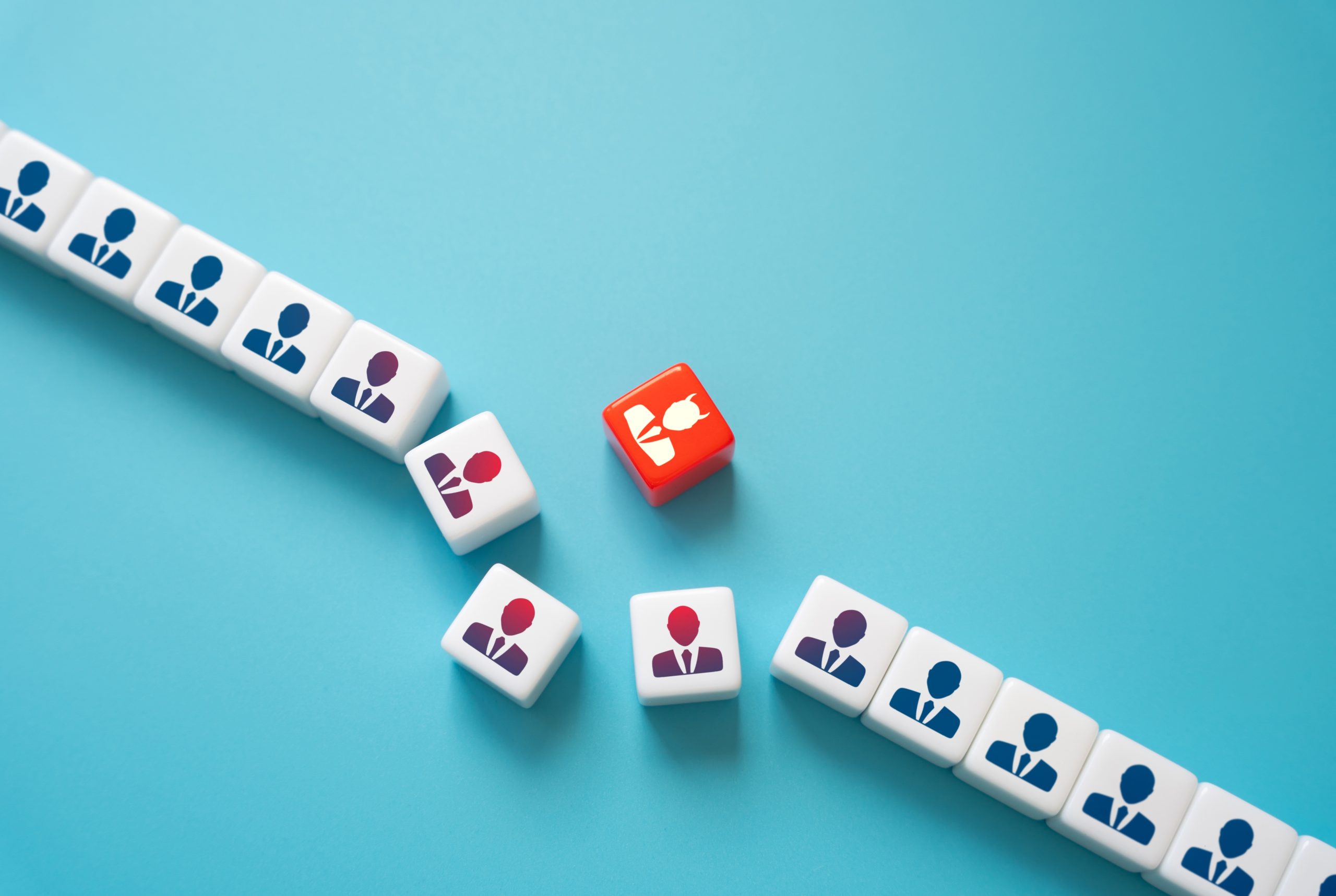
At High Conflict Institute, we have found that while some conflict can be resolved with ordinary communication and management tools, some situations follow a more intense and predictable pattern. These high-conflict patterns often lead to repeated complaints, grievances, damaged morale, and a great deal of lost leadership time. In many workplaces, a small percentage of people create a disproportionate share of the disruption. We often refer to this as the “5% problem”: roughly 5% of people can generate more than half of all complaints and HR escalations.
This matters because most workplace systems were designed with the assumption that people will respond to reason, feedback, and good-faith problem solving. But high-conflict behavior does not always respond to those methods. As a result, many organizations find themselves applying the same tools over and over without lasting success.
That is why we are pleased to introduce our new Corporate Partnership program.
A New Offering for Organizations
Corporate Partnership is designed for organizations that want more than a one-time training. It is a year-long program that helps rebuild how your organization responds to conflict across leadership, HR, and workplace culture.
Each partnership includes four core elements:
- An annual diagnostic
- Embedded training
- Live case consultation
- Outcome reporting
We offer three levels of partnership, based on your organization's size and stage:
- Conflict Ready
- Conflict Smart
- Conflict Proof
Each tier also includes direct access to me and our highly skilled team of high-conflict experts.
How It Begins
Every Corporate Partnership starts with a Conflict Readiness Assessment, a structured diagnostic that I walk your leadership team through personally. It helps identify the conflict patterns already costing your organization time, energy, and money, so the work is grounded in your real situation rather than a generic playbook.
We also offer a Conflict Calculator, a simple tool that provides a conservative estimate of what unresolved conflict may be costing your organization annually. For many leaders, this brings immediate clarity to the business case for prevention.
Why This Approach Matters
For 18 years, HCI has taught practical methods for responding to high-conflict behavior with more skill and less escalation. In today's climate of rising incivility, organizations need more than conflict management after the fact. They need systems, training, and support that help prevent unnecessary escalation in the first place.
If your leaders are spending too much time managing recurring conflict, our new Corporate Partnership may be the right next step.
Next Steps
- Take the Conflict Readiness Assessment
- Use the Conflict Calculator
- Explore which fits your organization best — book a call with Megan