New Ways for Work® Coaches Training Help employees develop skills to manage their behavior, workplace relationships, and conflict.
A self-paced online training, taught by Bill Eddy, LCSW, Esq. and Michael Lomax, JD, that equips workplace coaches, HR professionals, and other professionals to use the structured New Ways for Work® coaching method with employees experiencing interpersonal and behavioral challenges.
Developed by High Conflict Institute, this practical, skills-based program teaches coaches how to guide employees through the 4 Big Skills™: Managed Emotions, Flexible Thinking, Moderate Behaviors, and Checking Yourself. Using the New Ways for Work Workbook and a structured coaching process, participants learn to help employees practice new behaviors, take greater responsibility for their actions, and manage workplace interactions more effectively—even when traditional coaching approaches fall short.


Your instructors
Bill Eddy, LCSW, Esq. & Michael Lomax, JD
Co-Founder, High Conflict Institute · Workplace Conflict Resolution Trainer & Coach
500,000+
professionals trained worldwide






Some workplace behaviors don’t change with feedback alone.
Most workplace coaching relies on an employee’s willingness to reflect, accept feedback, and make changes. But some employees struggle with strong emotions, rigid thinking, defensiveness, or a persistent focus on blaming others. Traditional coaching approaches may have limited success when these patterns interfere with learning and behavior change.
New Ways for Work® takes a different approach. Rather than relying on insight, persuasion, or repeated discussions about problematic behavior, it provides a structured method for teaching and practicing new skills.
Coaches learn to help employees manage their emotions, think flexibly, have moderate behaviors, and take responsibility for their own actions—one skill at a time. The goal is to help employees develop practical behaviors they can apply at work, even when they have difficulty recognizing their role in workplace conflict.
Outcomes you'll bring back from New Ways for Work® Coaches Training.
By completing New Ways for Work® Coaches Training, you’ll be prepared to:
- Apply the structured New Ways for Work® coaching method with employees experiencing workplace behavioral and interpersonal challenges.
- Teach the 4 Big Skills™: Managed Emotions, Flexible Thinking, Moderate Behaviors, and Checking Yourself.
- Guide employees through the New Ways for Work Workbook using structured coaching sessions and practical exercises.
- Help employees learn and practice new behaviors without triggering unnecessary defensiveness or shame.
- Coach employees to manage emotional reactions, consider options, and respond more effectively to workplace challenges.
- Encourage personal responsibility and problem-solving rather than blame, excuses, or repeated complaints about others.
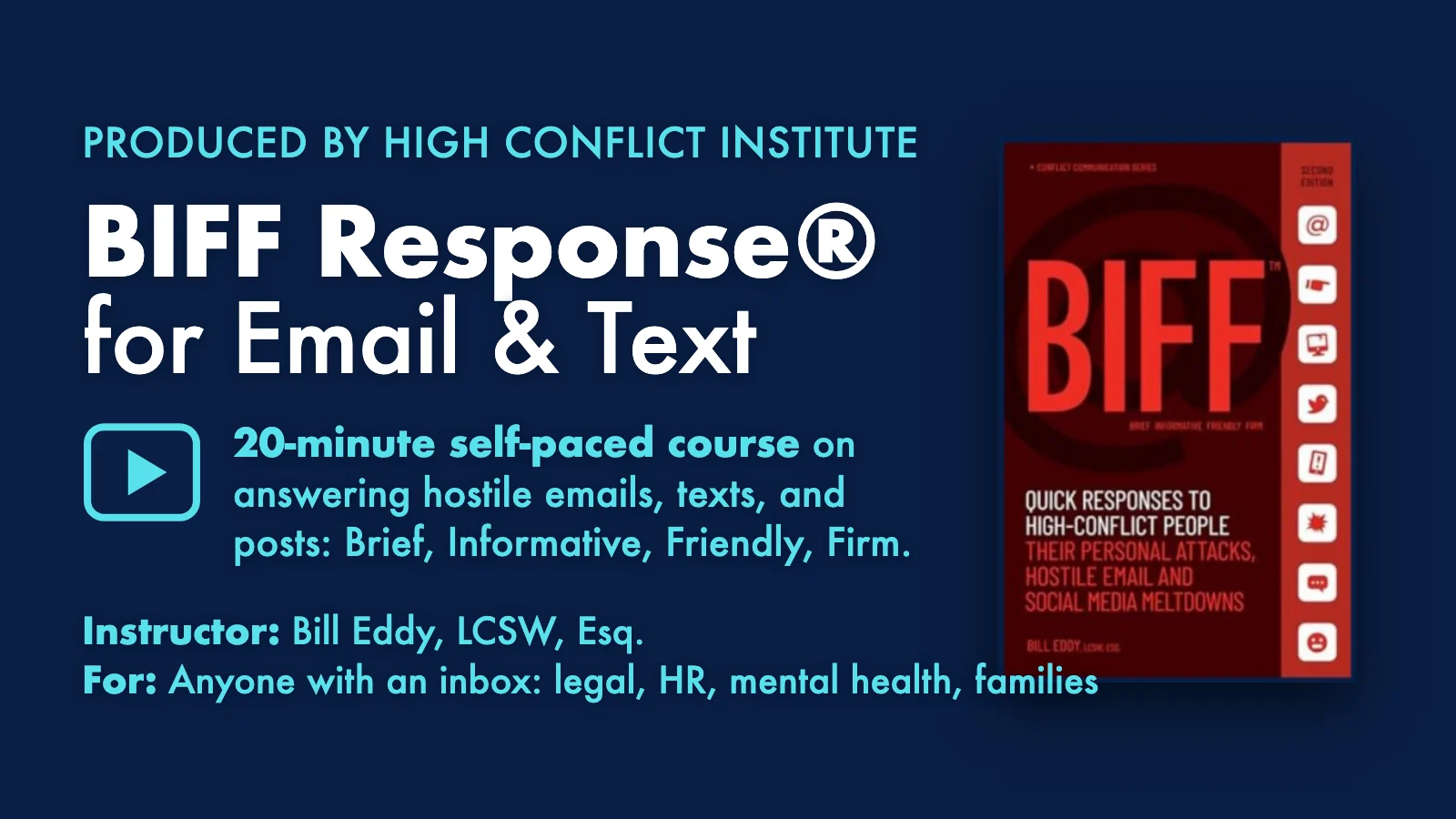
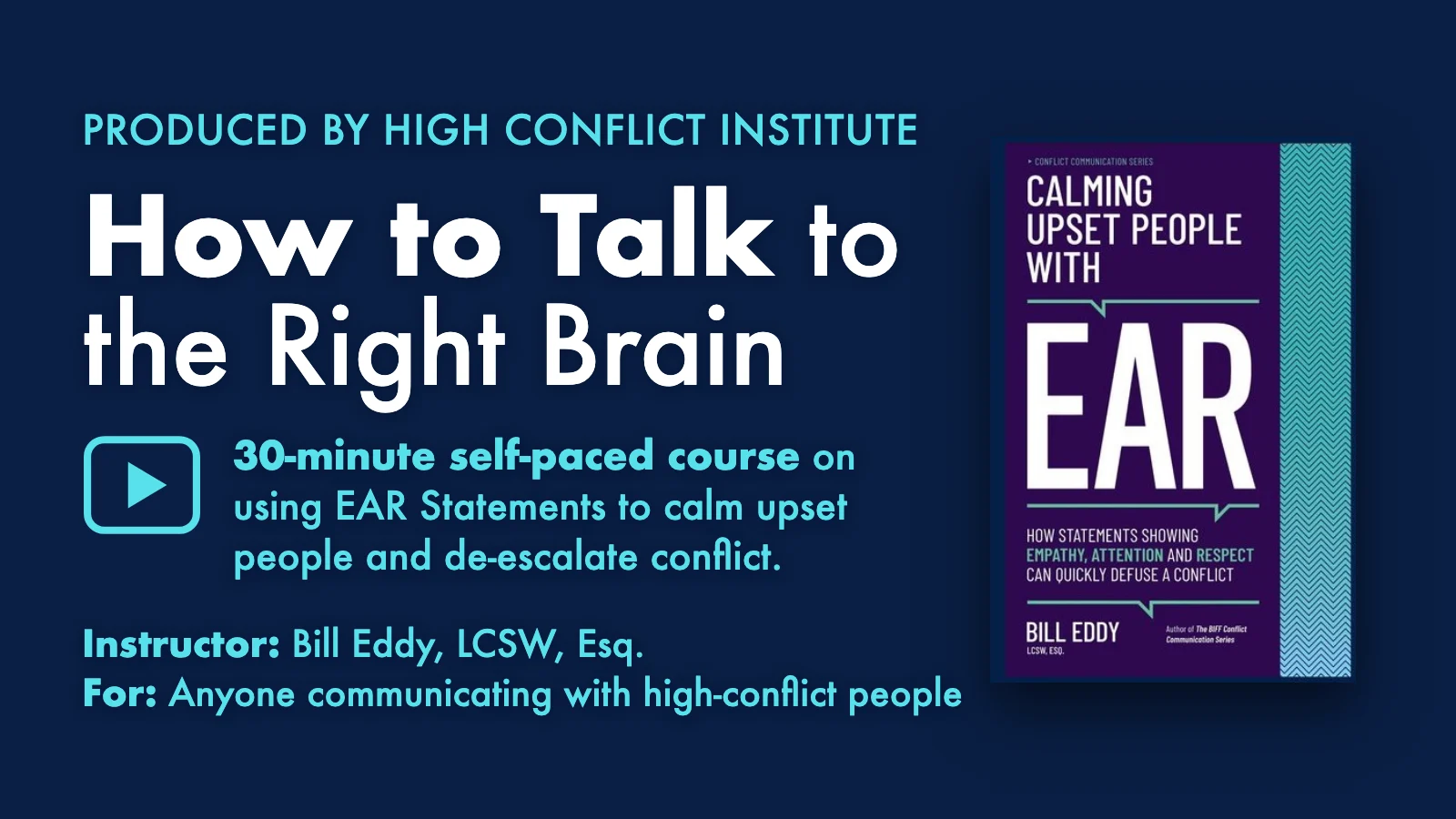
- Use EAR Statements™, SWYP Agreements™, BIFF Response® and SLIC Solutions™ techniques to support effective workplace communication.
- Establish clear coaching boundaries, expectations, and accountability while maintaining a supportive approach.
- Apply the method in workplace coaching, HR, employee relations, EAP, and organizational restoration settings.
Who New Ways for Work® Coaches Training is built for.
Workplace Coaches
Internal and external coaches helping employees improve workplace behavior, communication, and interpersonal relationships.
HR & Employee Relations Professionals
Professionals supporting employees with behavioral concerns, workplace conflict, performance improvement, and accountability.
EAP Professionals
Employee Assistance Program counselors and professionals providing structured support to employees experiencing interpersonal and behavioral challenges at work.
Executive & Leadership Coaches
Coaches working with managers, supervisors, and executives whose interpersonal behaviors affect relationships, teams, and organizational effectiveness.
Workplace Restoration Consultants
Professionals supporting individuals and organizations following workplace conflict, complaints, investigations, or relationship breakdowns.
Behavioral & Professional Conduct Coaches
Practitioners providing coaching in anger management, professional conduct, respectful workplace behavior, and related areas.
Curriculum & coaching materials
 Coaching Manual A structured, step-by-step framework for delivering coaching sessions. View the book
 Workbook Exercises and real-life applications for the employee being coached. View the book
New Ways for Work® is more than a coaching course. It’s a structured, skills-based method supported by two complementary resources that help coaches guide employees through learning and applying the 4 Big Skills™.
The New Ways for Work Coaching Manual provides coaches with a structured, step-by-step framework for delivering coaching sessions, including practical guidance, exercises, and sample responses.
The New Ways for Work Workbook guides employees through exercises and real-life applications to help them manage emotions, think flexibly, moderate their behavior, and take greater responsibility for their actions.
Together, these materials provide a practical coaching process that helps employees develop and practice skills they can apply to everyday workplace challenges.
Both materials are required and must be purchased separately from the training. Each employee being coached needs their own workbook.
How New Ways for Work® Coaches Training works.
Complete the online training at your own pace, learning the structured New Ways for Work® coaching method from Michael Lomax, JD.
Through instructional presentations, workplace examples, and practical exercises, you’ll learn how to guide employees through the 4 Big Skills™ using the New Ways for Work coaching process and workbook.
Your training includes:
- Self-paced online instruction — Learn the New Ways for Work® coaching method on your schedule.
- Structured coaching framework — Learn how to guide employees through a practical, skills-based coaching process.
- Workplace scenarios and practical applications — Explore how to apply the method with employees experiencing conflict, behavioral challenges, or difficulty accepting feedback.
- Certificate of Completion — Documentation of your completed training.
- HCI Provider Directory listing (optional) — Eligible coaches may request a public listing, subject to HCI’s authorization and directory requirements.
- Email support — Assistance from HCI with course content and implementation questions.
The core skills & methods you’ll learn.
Managed Emotions
Coach employees to manage strong emotional reactions so they can respond more thoughtfully to workplace challenges.
Flexible Thinking
Help employees move beyond all-or-nothing thinking, consider different perspectives, and identify practical options.
Moderate Behaviors
Teach employees to replace extreme or escalating behaviors with more constructive workplace responses.
Checking Yourself
Help employees focus on their own choices and behavior, take responsibility for their actions, and make adjustments rather than blaming others.
EAR Statements™
Use Empathy, Attention, and Respect to reduce defensiveness, maintain a constructive coaching relationship, and help employees stay engaged.
BIFF Response®
Teach practical written communication skills that help employees respond to difficult messages without escalating conflict.
Bill Eddy, LCSW, Esq. & Michael Lomax, JD
Bill Eddy, LCSW, Esq. | Co-Founder, High Conflict Institute. Bill Eddy is the co-founder of High Conflict Institute, developer of the New Ways® methods, and an internationally recognized expert in high-conflict behavior. A licensed clinical social worker and former family law attorney, Bill has spent decades developing practical, skills-based approaches to managing high-conflict situations. He is the author of more than 25 books and has trained professionals worldwide in methods for managing challenging behavior and conflict.
Michael Lomax, JD | Workplace Conflict Resolution Trainer & Coach. Michael Lomax is an internationally recognized mediator, workplace conflict resolution trainer, and coach with more than 25 years of experience helping organizations manage complex interpersonal dynamics and high-conflict behavior. An HCI trainer since 2011, Michael has worked extensively with leaders, HR professionals, unions, and government organizations across North America and Australia. He is co-author of Mediating High Conflict Disputes with Bill Eddy, and Conflict-Ready: Prevent Costly Conflict. Reduce Risk. Protect the Bottom Line with Megan Hunter.
Together, Bill and Michael combine the foundational New Ways methodology with practical workplace coaching applications.
Trusted by professionals across industries.
The training content is relatable and easy to understand and implement. Highly recommend.
This course has high utility value in that it conveys practical tactics to deal with High Conflict People. In the healthcare arena, addressing toxic behavior early protects the whole team.
It's easy to give up on frustrating colleagues or to let them go; this method allows us the chance to help them to help themselves.
New Ways for Work® Coaches Training — frequently asked questions.
Who is New Ways for Work® Coaches Training designed for?
Is the training completely self-paced?
Do I need to be a licensed counselor or professional coach?
Do I need a license to use New Ways for Work®?
How is New Ways for Work® different from traditional workplace coaching?
What materials do I need to coach employees using New Ways for Work®?
- New Ways for Work® Coaching Manual: provides coaches with a structured coaching framework, session guidance, sample responses, and practical exercises.
- New Ways for Work® Workbook: used by employees during coaching sessions to learn and practice the 4 Big Skills™.
Will I become a licensed New Ways for Work® Coach?
Will I be listed in HCI’s Provider Directory?
Can our organization train multiple coaches?
Will I receive continuing education credits?
Can I train others to use New Ways for Work® after completing the course?
Ready to bring New Ways for Work® into your coaching practice?
Learn a structured, practical approach for helping employees develop skills, take responsibility for their behavior, and navigate workplace challenges more effectively. Start the self-paced training anytime, or contact us to discuss group enrollment and organizational implementation.