Dealing with High Conflict People In Court
Courtrooms concentrate high-conflict behavior. This 1-hour course explains the predictable patterns of high-conflict people in court, the five high-conflict personality types, and practical skills for managing these interactions, whether you work from the bench, the well, or the counter.
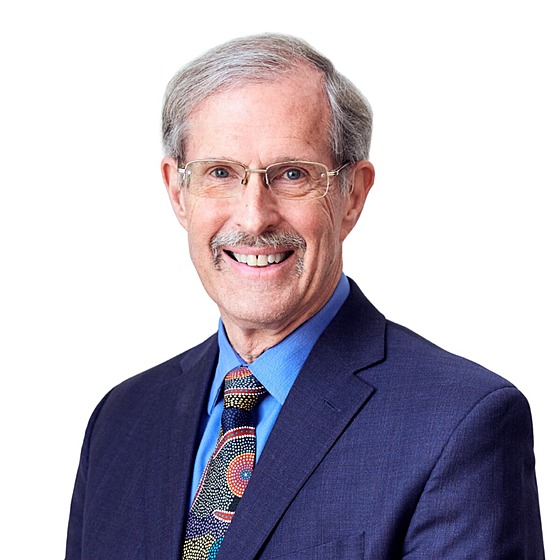
Your instructor
Bill Eddy, LCSW, Esq.
Co-founder & Chief Innovation Officer, High Conflict Institute
500,000+
professionals trained worldwide





Every courthouse role meets the same five personalities.
In every occupation there are some people with high-conflict tendencies, and courtrooms draw more than their share. Judges, clerks, bailiffs, and attorneys all absorb the blame, the outbursts, and the returns to court. The behavior is driven by personality patterns, which makes it predictable, and predictable means manageable with the right tools.
Outcomes you'll bring back from Dealing with High Conflict People In Court.
- Recognize common high-conflict issues and patterns in court settings.
- Understand the core issues of personality disorders that drive courtroom behavior.
- Identify the five high-conflict personality types.
- Understand the conflict brain and why upset people can't process logic.
- Use mirror neurons to your advantage when tension rises.
- Apply concrete skills for managing high-conflict people in and out of court.
Who Dealing with High Conflict People In Court is built for.
Judges & Judicial Officers
Manage high-conflict litigants without feeding the cycle from the bench.
Court Staff
Clerks, bailiffs, and counter staff: the frontline tools for daily interactions.
Lawyers & Barristers
Handle high-conflict parties and witnesses in and out of the courtroom.
How Dealing with High Conflict People In Court is delivered.
A 1-hour on-demand video course with supporting articles, built for every professional who works in a courtroom.
- 60-minute video course — The five HCP types and the skills for managing them in court.
- PowerPoint PDF — Downloadable slides to keep as a reference.
- Articles — Supporting reading to go deeper on the patterns.
- Certificate of Completion — 1 hour documented.
Bill Eddy, LCSW, Esq.
Bill Eddy, LCSW, Esq. is the co-founder and Chief Innovation Officer of the High Conflict Institute. He pioneered the High Conflict Personality Theory (HCP) and is an international expert on managing disputes involving people with high-conflict personalities. He is the author or co-author of more than 25 books, manuals, and workbooks, co-host of the podcast It's All Your Fault!, and writes a Psychology Today blog with millions of views.
Before co-founding HCI, Bill was the Senior Family Mediator at the National Conflict Resolution Center for 15 years, a Certified Family Law Specialist lawyer representing clients in family court for 15 years, and a licensed clinical social worker therapist with twelve years of experience. He has served on the faculty of the Straus Institute for Dispute Resolution at Pepperdine University School of Law, taught as a Conjoint Associate Professor with the University of Newcastle Law School in Australia, and trained professionals in over 35 U.S. states and 13 countries.
Dealing with High Conflict People In Court — frequently asked questions.
Who is this course for?
How do I access the course?
Will I get continuing education credit?
Is this legal or therapeutic advice?
Can our team or organization get this training together?
Ready to enroll?
Enroll an individual seat now, or talk to us about a private cohort designed around your organization's actual cases.